
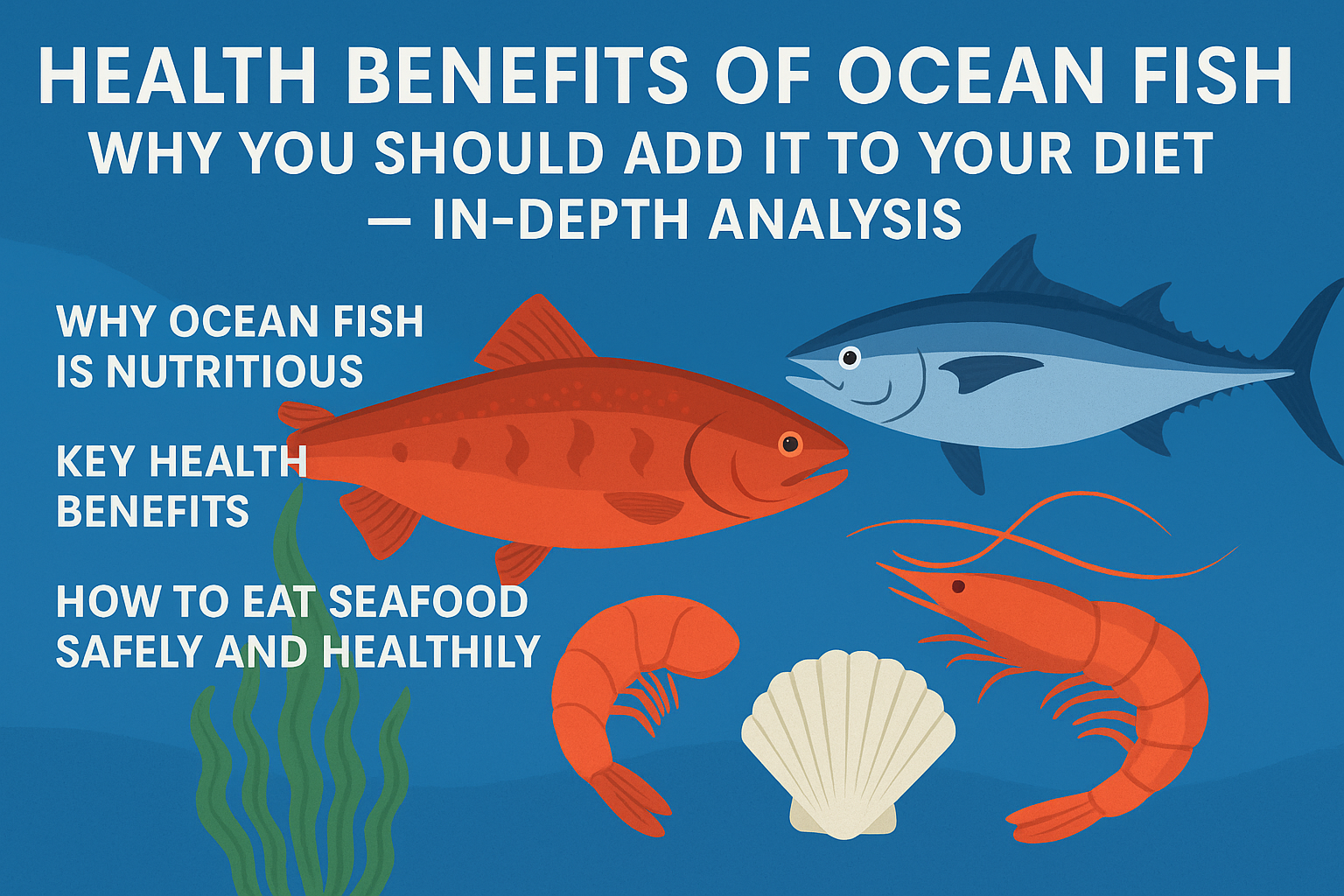
Deep Dive into the Health Benefits of Sea Fish: Why You Should Add It to Your Diet
Sea fish has been a staple of healthy diets for thousands of years in different parts of the world — and modern science continues to prove that its benefits are truly remarkable. From heart health and brain protection to nutrient-dense, low-calorie protein and unique micronutrients — eating Sea fish regularly is one of the easiest and scientifically proven ways to improve your health. Below are the main benefits of Sea fish, tips for safe eating, and a summary of the latest scientific research.
Why Sea Fish Is Nutritious
Sea fish — especially fatty fish like salmon, mackerel, sardines, herring, and anchovies — are among the richest sources of long-chain omega-3 fatty acids (EPA and DHA). These fatty acids are an important part of cell membranes (especially in the brain and eyes), which play a key role in reducing inflammation, regulating blood lipids, blood pressure, and blood clotting. In addition to omega-3s, fish also provides high-quality protein, vitamin D, vitamin B12, iodine, selenium, and easily absorbed iron — all of which are deficient in many people’s diets.
Key Health Benefits
- Heart Health and Blood Vessel Protection
Regular consumption of fatty sea fish reduces the risk of heart disease, lowers triglycerides, and slightly lowers blood pressure. The omega-3s in fish can lower triglycerides and help reduce the risk of major heart disease events in some people. In addition, eating fish instead of red meat reduces saturated fat intake — which is also beneficial for heart health.
- Brain Health and Memory
DHA (one of the omega-3s in fish) is essential for brain development and function. Various studies have shown that people who eat fish regularly have a slower rate of memory loss with age and a lower risk of dementia. That is why fish is one of the main ingredients in brain-friendly diet plans like the Mediterranean or MIND diet.
- Pregnancy, Fetal, and Child Development
EPA/DHA, iodine, vitamin D, and protein — these nutrients play an important role in the development of the brain and vision of the unborn child. Recent studies have shown that eating moderate and low-mercury fish during pregnancy improves children’s motor skills, problem-solving ability, and overall neurological development. Therefore, eating fish is recommended for pregnant and lactating mothers.
- Reducing Inflammation and Joint Health
The omega-3 in fish has significant anti-inflammatory effects. Various clinical studies show that fish or fish oil helps reduce inflammatory markers in people with high levels of inflammation. This is especially beneficial for inflammation-related illnesses.
- Healthy Weight and Muscle Maintenance
Fish is a good source of high-quality protein, which helps maintain muscle and keeps the stomach full for a long time. So fish can be a very effective food in a weight-loss diet.
How to Eat Seafood Safely and Healthily
- Aim for 2 servings (8–12 ounces) of fish per week — this is the general recommendation of most health organizations.
- Small, fatty fish like sardines, anchovies, and herring are nutritious, affordable, and generally low in contaminants.
- Avoid large predatory fish (like shark, swordfish, king mackerel, and large tuna), which are high in mercury.
- Bake, steam, or grill fish instead of frying them to preserve their nutritional value and add fewer calories.
Fish vs. Supplements: Which Is Better?
Whole fish is always better than supplements, as it contains more than just omega-3s. For some people (such as those with high triglycerides), fish oil may be beneficial with a doctor’s advice. However, recent studies have shown that taking unnecessarily high-dose fish oil supplements can increase the risk of heart rhythm irregularities (atrial fibrillation) and stroke in some cases. Therefore, it is safest and most beneficial to include fish in your regular diet.
Summary of the Latest Scientific Research
- Heart disease and omega-3 — Several meta-analyses from 2020–2024 have shown that fatty fish or certain EPA-based medications help reduce the risk of heart disease in some people, especially those with high triglycerides.
- Brain and dementia prevention — Long-term studies show that regular fish consumption reduces the risk of dementia by 15–20%.
- Pregnancy and child neurodevelopment — A 2023–2024 study found that moderate fish consumption has a positive effect on children’s neurodevelopment.
- Role in reducing inflammation — For those with high levels of inflammation, fish oil or fatty fish is effective in reducing inflammation.
- Risks of supplements — According to new research, regular high-dose fish oil supplements may increase some risks in people who have not had heart disease before, so supplements should be taken only under the guidance of a doctor.