
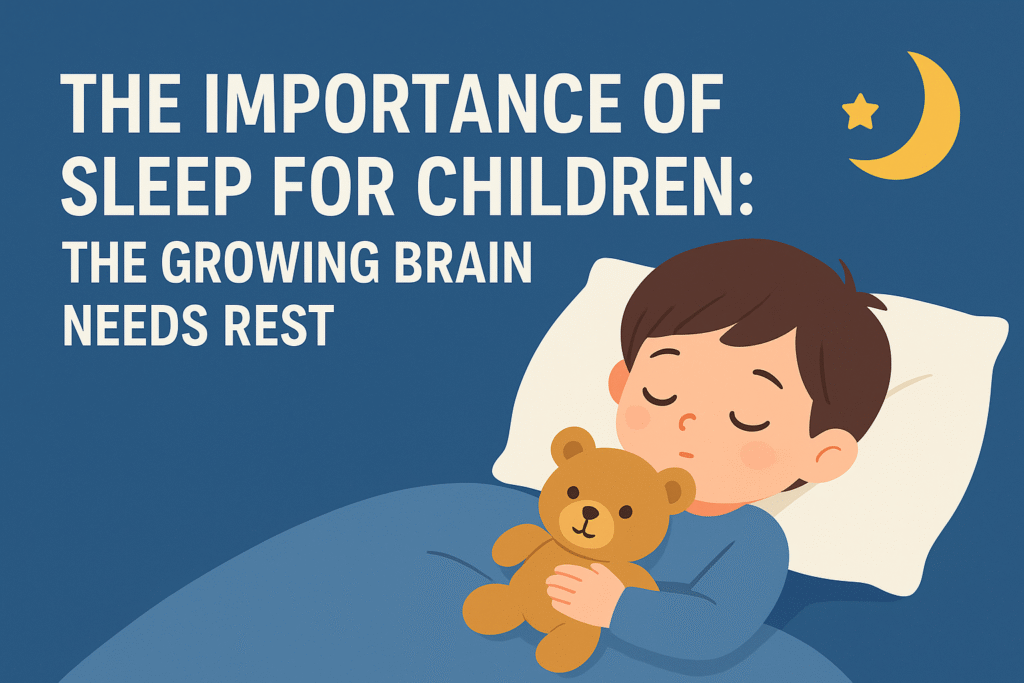
The Importance of Sleep for Children: The Growing Brain Needs Rest
Sleep is an element in a child’s life that is deeply related to physical growth, mental development, and emotional stability. Sometimes we think of sleep as just a means of rest—but sleep is much more than that for children. It is the foundation of brain restructuring, body rejuvenation, and the learning process. For this reason, ensuring adequate and quality sleep at every stage of a child’s growth is very important. The busyness of modern life, excessive screen time, educational pressure, and irregular lifestyles are having a negative impact on children’s sleep. Therefore, it is very important to understand the importance of sleep and develop the right habits to create awareness.
The Importance of Sleep in Brain Development
A child’s brain develops rapidly from birth. A large part of this development is completed during sleep. Deep sleep, or slow-wave sleep, creates new neural connections in children’s brains, which increases learning ability. Lessons learned in school, new experiences, or the process of learning a language—all memories are stored during sleep.
Studies have shown that children who do not get enough sleep cannot maintain attention, become easily irritated, and lag behind in learning or problem-solving in the long run. Sleep deprivation directly affects their academic performance. In addition, sleep also increases children’s self-control and judgment.
The Role of Sleep in Physical Growth
Children’s physical development relies heavily on proper sleep. Most growth hormone is released during deep sleep, supporting the development of bones, muscles, organs, and overall body growth. When children do not get enough sleep, the reduced release of this hormone can negatively affect their growth.
In addition, sleep strengthens the immune system. Sleep-deprived children are more prone to colds, fevers, or infections. More importantly, sleep affects appetite-regulating hormones such as leptin and ghrelin. Less sleep increases appetite, creates a tendency to overeat, and increases the risk of weight gain or obesity in children.
Emotional Stability and Behavior Control
Sleep is closely related to mental health and emotional stability. Children who sleep well are generally calmer, less easily angered, and more skilled in social relationships. Sleep-deprived children are more restless, irritable, and often become inattentive or overexcited, which is similar to behavioral problems such as ADHD.
Moreover, adequate sleep helps children build self-confidence and control their emotions. Sleep is also very important for building relationships with family and friends.
Common Sleep Problems in Children
The quality of sleep in today’s generation of children has decreased compared to the past, due to various reasons—
• Excessive screen time
• Sleeping late at night
• Stress from exams or studies
• Lack of physical exercise
• Domestic or environmental noise
• Disturbed sleep environment (light, heat, messy room)
If such problems occur regularly, they can hinder the overall development of the child.
Effective Ways to Ensure Good Sleep
- The importance of creating a specific sleep routine
- A child’s body works on habit. Going to bed and waking up at the same time every day stabilizes their circadian rhythm or sleep-wake rhythm. Routines can include—
• Taking a warm bath
• Listening to stories
• Reading books
• Turning on soft lights
These help prepare the child for sleep.
- Keep the screen off
- The blue light emitted from screens suppresses the sleep hormone melatonin. Therefore, phones, TVs, and tablets should be turned off at least 1 hour before bedtime.
- Create a comfortable sleep environment
- Low light, a quiet environment, cool temperature, and a comfortable bed increase the quality of sleep. The child’s sleeping area should be safe and clean.
- Increase physical activity during the day
- Playing or exercising during the day helps children sleep deeper and faster. However, it is better to avoid heavy exercise just before bedtime.
- Caution in food and drinks
- Chocolate, caffeinated drinks, or excess sugar can disrupt sleep. It is better to give light meals at night.
- Seek expert advice if problems occur
- If your child cannot sleep regularly, gasps at night, shows signs of sleep apnea, or has daytime sleepiness, you should talk to a pediatrician or sleep specialist.
The Importance of Sleep in Light of Scientific Research
- Profound impact on the brain
- The ABCD (Adolescent Brain Cognitive Development) Study and other research have shown—
• Those who sleep less than 9 hours per night have smaller brain areas.
• These areas play an important role in controlling memory, attention, and emotions.
• In the long term, behavioral problems, anxiety, and learning disabilities occur.
- Sleep is an active developmental process
- A 2019–2024 study shows—
• During sleep, children’s brains organize information, form new neural connections, and process emotions.
• Lack of sleep reduces learning ability and disrupts attention.
- Positive effects of regular sleep time
- Research says—
• People who sleep at the same time every day have higher-quality sleep
• Emotional control and behavior are improved
• Family relationships are stronger
- Environmental and social effects
- Society
Conclusion
Sleep is essential for children’s well-being, brain development, emotional regulation, and physical growth. It builds the foundation for their future. In the age of technology, the importance of sleep has increased even more because children are easily sleep-deprived for various reasons. Therefore, parents need to consciously create a sleep environment and develop the right habits.
NaturalHealthFusion.com believes that the healthy development of children is possible with a combination of natural and scientific habits. Adequate sleep is the first step toward that improvement. A good night’s sleep brings positive changes to children’s minds, bodies, and every aspect of life.